
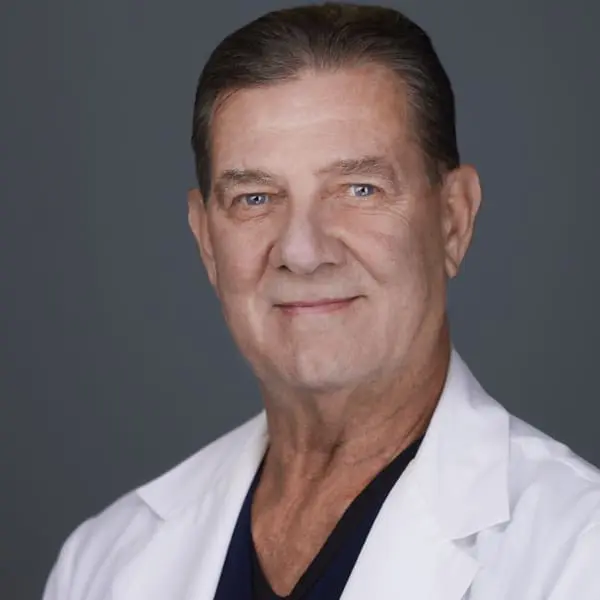
Meet Dr. Rick Pittman: Your Trusted Vein Specialist
Dr. Rick Pittman, MD, is a board-certified specialist in venous and lymphatic medicine and one of the Pacific Northwest’s most respected vein experts. With 40+ years of experience and 50,000+ procedures performed, Dr. Pittman has transformed the lives of thousands of patients through minimally invasive, highly effective treatments.
Symptoms of Varicose Veins & CVI
| Symptom | Varicose Veins | Chronic Venous Insufficiency (CVI) |
| Visible veins | Bulging, twisted | May or may not be visible |
| Pain or aching | After standing | Constant, worsens with activity |
| Swelling | Mild to moderate | Severe, persistent |
| Skin changes | Rare | Discoloration, thickening, ulcers |
| Restless legs | Often | Common |
| Leg fatigue | After activity | Constant |
Causes & Risk Factors
Varicose veins and CVI develop due to:
- Genetics (family history of vein disease).
- Age (veins lose elasticity over time).
- Pregnancy (increased blood volume + hormonal changes).
- Obesity (extra pressure on veins).
- Prolonged standing/sitting (e.g., nurses, office workers).
- History of blood clots (DVT).
Treatment Options
We offer minimally invasive treatments to relieve symptoms, improve circulation, and prevent complications.
- Endovenous Radiofrequency Ablation (RFA)
-
- How it works: A thin catheter delivers radiofrequency energy to seal the faulty vein.
- Benefits: 98% success rate, no scarring, walk-in/walk-out procedure.
- Downtime: Minimal (return to normal activities in 1-2 days).
- Insurance Coverage: Covered if medically necessary (symptomatic varicose veins/CVI).
- Ultrasound-Guided Foam Sclerotherapy
-
- How it works: A foam solution is injected into the vein, causing it to collapse and fade.
- Best for: Medium-sized varicose veins not suitable for RFA.
- Downtime: None (resume normal activities immediately).
- Insurance Coverage: Covered if medically necessary.
- Micro Phlebectomy
-
- How it works: Tiny incisions are made to remove bulging veins near the skin’s surface.
- Best for: Large, superficial varicose veins.
- Downtime: Minimal (wear compression stockings for 1-2 weeks).
- Insurance Coverage: Covered if medically necessary.
- Compression Therapy
-
- How it works: Graduated compression stockings (15-30 mmHg) improve circulation and reduce swelling.
- Best for: Mild varicose veins, post-treatment recovery, CVI management.
- Insurance Coverage: Covered if medically necessary (e.g., for pain, swelling, or ulcers).
When to See a Vein Specialist
Schedule a consultation if you experience:
- Pain or aching in your legs after standing.
- Swelling that worsens throughout the day.
- Skin changes (discoloration, thickening, or ulcers).
- Restless legs or fatigue that interferes with daily life.
- Visible varicose veins that bother you cosmetically.
Insurance Coverage for Varicose Veins & CVI
Most insurers, including Medicare and private providers, cover treatments if you have documented symptoms (e.g., pain, swelling, ulcers).
Commonly covered procedures:
- Radiofrequency Ablation (RFA)
- Sclerotherapy (if linked to underlying vein disease)
- Micro Phlebectomy
- Compression Therapy
Requirements for Approval:
- 6-week to 3-month trial of compression stockings (most insurers require this first).
- Duplex ultrasound confirming chronic venous insufficiency (CVI).
- Symptom documentation (pain, swelling, skin changes).
Not Covered: Purely cosmetic treatments (e.g., spider vein sclerotherapy).
Need help verifying coverage? Call us—our team will guide you.
Next Steps
Schedule a consultation
with our vein specialists.
Undergo a duplex ultrasound
to assess vein function.
Receive a personalized treatment plan
tailored to your needs.